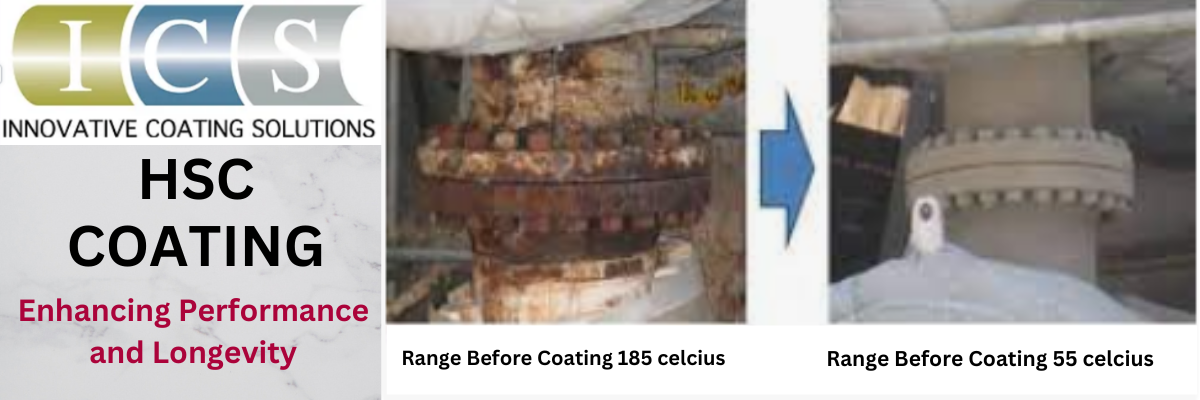
HSC coating, or Hard Super Coating, is a specialized type of surface treatment used primarily in industrial and manufacturing processes to enhance the durability, performance, and longevity of various materials, particularly metals and alloys. This coating technology is designed to provide exceptional resistance to wear, corrosion, abrasion, and other forms of degradation, thereby extending the lifespan and improving the reliability of components and equipment.
Here’s a detailed explanation of HSC coating and its key features:
- Composition: HSC coating typically consists of multiple layers of advanced materials, including ceramics, carbides, nitrides, and other high-performance compounds. These materials are carefully selected and applied using specialized deposition techniques to create a durable and resilient protective barrier on the surface of the substrate.
- Application Methods: HSC coatings can be applied using various methods such as physical vapor deposition (PVD), chemical vapor deposition (CVD), thermal spray techniques, and other advanced coating processes. Each method offers unique advantages in terms of coating thickness, adhesion, and surface finish, depending on the specific requirements of the application.
- Properties: HSC coatings exhibit a wide range of desirable properties that make them ideal for demanding industrial applications:
- Hardness: HSC coatings are exceptionally hard and have a high resistance to indentation and scratching, making them suitable for use in abrasive environments.
- Wear Resistance: These coatings provide superior resistance to wear and frictional forces, thereby minimizing material loss and extending the service life of components.
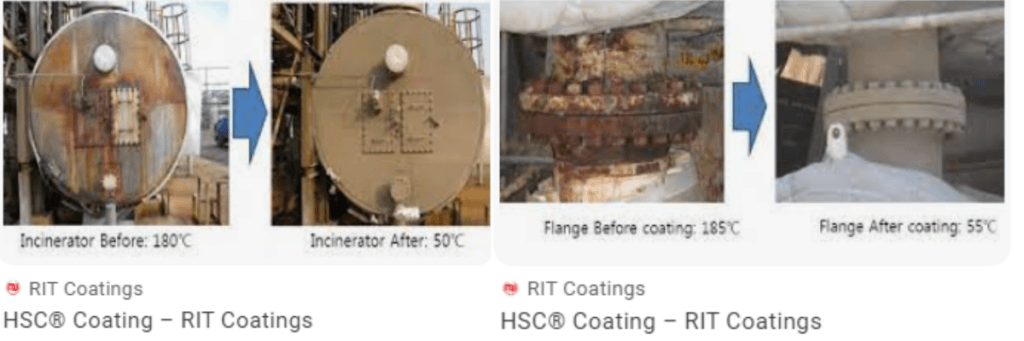
- Corrosion Resistance: HSC coatings offer excellent protection against corrosion, oxidation, and chemical attack, even in harsh operating conditions.
- Temperature Stability: Many HSC coatings can withstand high temperatures without degrading, allowing them to maintain their performance under extreme thermal conditions.
- Low Friction: Some HSC coatings are engineered to reduce friction and improve the efficiency of moving parts, resulting in smoother operation and reduced energy consumption.
- Applications: HSC coatings find widespread use in various industries, including aerospace, automotive, oil and gas, manufacturing, and electronics. Common applications include:
- Cutting tools and inserts for machining operations
- Engine components such as pistons, valves, and cylinder liners
- Bearings, gears, and other mechanical components
- Molds and dies for plastic injection molding and metal forming
- Medical implants and surgical instruments
- Optical and electronic devices requiring protective coatings
- Advantages: The use of HSC coatings offers several advantages for manufacturers and end-users:
- Extended Service Life: Components coated with HSC coatings typically last longer and require less frequent maintenance, reducing downtime and overall costs.
- Improved Performance: HSC coatings can enhance the performance and reliability of equipment by reducing friction, preventing wear, and maintaining dimensional stability.
- Enhanced Versatility: The versatility of HSC coatings allows them to be tailored to specific applications, providing customized solutions for diverse industrial needs.
- Environmental Benefits: By prolonging the lifespan of components and reducing the need for replacement parts, HSC coatings contribute to resource conservation and waste reduction.
In summary, HSC coating is a sophisticated surface treatment technology that offers exceptional protection and performance enhancements for a wide range of industrial applications. Its unique combination of hardness, wear resistance, corrosion resistance, and other properties makes it an invaluable tool for extending the lifespan and improving the reliability of critical components and equipment.